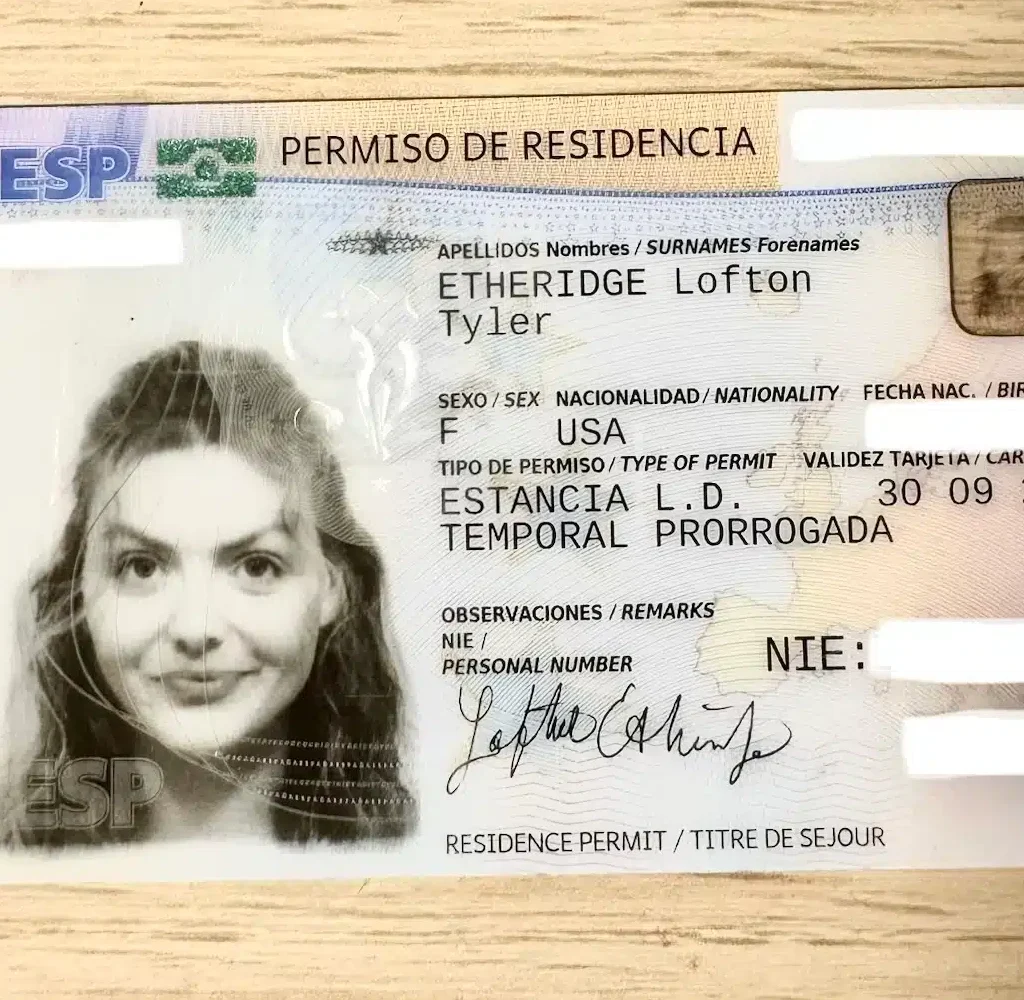







Losing your passport is one of those things that feels dramatic in the moment. Like, heart drops, mind racing, instantly replaying every place you’ve been in the last 24 hours. But here’s the truth: it’s stressful, yes, but it’s also fixable.
People lose passports every single day, especially while traveling. The key is not to spiral, but to move quickly and handle it step by step. So if this ever happens to you, especially in Spain or anywhere abroad, here’s exactly what to do.
Step 1: Pause and Double Check Everything
Before you go into full panic mode, take a breath and retrace your steps. Check:
- Your bag (every pocket, even the “impossible” ones)
- Your accommodation (suitcase, drawers, under the bed)
- Any recent cafés, taxis, or stores
Sometimes it’s not lost, just misplaced in the most random spot.
Step 2: Report It to the Police
If you’re in Spain, go to a local police station and file a report. This is called a “denuncia,” and it’s important. It:
- Officially documents the loss or theft
- Protects you in case of identity misuse
- May be required for your embassy appointment
You don’t need perfect Spanish. Just explain that your passport is lost or stolen, and they’ll guide you through it.
Step 3: Contact Your Embassy or Consulate
This is your next move, and honestly, your lifeline in this situation. Look up your country’s embassy or nearest consulate in Spain (or wherever you are) and contact them immediately. They’ll help you:
- Replace your passport
- Issue an emergency travel document
- Guide you through the next steps based on your situation
Try to book an appointment as soon as possible. Some embassies allow walk-ins for emergencies, but don’t assume; always check.
Step 4: Gather What You Can
Even if your passport is gone, bring any form of ID or documentation you still have. Helpful things include:
- A copy or photo of your passport (this is why screenshots matter)
- Driver’s license or national ID
- Proof of travel (flight tickets, boarding passes)
- Passport photos (some embassies require them)
- Police report (your denuncia)
Don’t stress if you don’t have everything. Just bring what you can.
Step 5: Apply for a Replacement or Emergency Passport
You’ll usually have two options:
1. Emergency passport
- Faster (sometimes same or next day)
- Valid for short-term travel only
2. Full replacement passport
- Takes longer
- Best if you’re staying abroad for a while
If you’re just trying to get home, the emergency passport is usually the move.
Step 6: Adjust Your Travel Plans
If you had flights booked, you may need to:
- Reschedule
- Inform the airline
- Show proof of your situation
Airlines deal with this more than you think, so don’t be afraid to ask for help.
Step 7: Take Care of the “Extras”
Once the main situation is handled, don’t forget:
- Check if your visa or residency was tied to your passport
- Replace any lost cards or IDs
- Monitor your accounts for any unusual activity
What I Wish Everyone Knew
This situation feels chaotic in the moment, but it’s not the end of your trip, your year, or your life abroad. It’s just a detour. The biggest thing is acting quickly and staying calm enough to think clearly. Once you file the report and contact your embassy, you’re already back in control. Learn from this (without beating yourself up):
- Always keep a photo of your passport on your phone
- Email yourself a copy
- Don’t carry it everywhere unless you need it
- Use a secure travel pouch or bag
Losing your passport is one of those “welcome to traveling” moments no one signs up for. But you’ll handle it. You’ll figure it out. And honestly, one day it’ll turn into a story you tell like, “remember when I lost my passport in Spain?” Not ideal, but definitely memorable. And now, at least, you know exactly what to do.
Love always,
American Girl Meets World