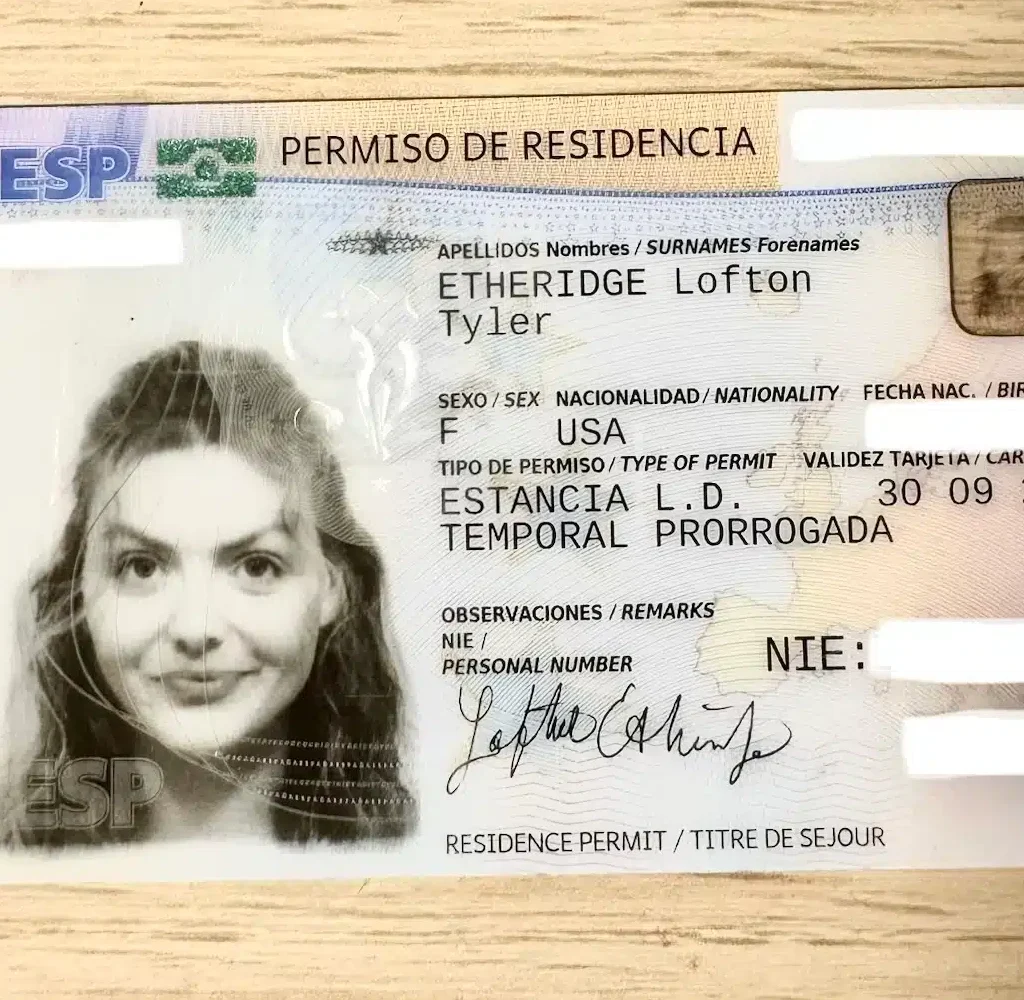







If you’re applying for a Spanish visa from the U.S., there’s a good chance you’ve already realized something: the process is not exactly designed for convenience. Between appointments, travel, timing, missing documents, and long processing windows, most people are building entire mini travel plans just to submit paperwork, and then there’s Houston.
The Houston Consulate “Hack”
If you fall under the jurisdiction (Alabama, Arkansas, Louisiana, Mississippi, Tennessee, New Mexico, Oklahoma, Texas) of the Houston Spanish Consulate, you are, quite honestly, in one of the most flexible visa systems in the United States. Why? Because, unlike most other Spanish consulates in the U.S., Houston allows you to:
- Mail in your full visa application
- Avoid in-person appointments entirely
- Complete the process remotely through the BLS submission
No flights, no embassy trips, and no sitting in waiting rooms wondering if you filled out Form 17-B correctly. For anyone who has ever tried to coordinate international bureaucracy, that alone feels like a small miracle.
What it looks like everywhere else
To understand why Houston feels like a “hack,” you have to understand the alternative. In many other jurisdictions, applicants must:
- Schedule in-person appointments
- Fly or drive to another city just to submit documents
- Sometimes fly or drive again to retrieve passport
- Coordinate strict appointment availability windows
And if anything goes wrong: missing document, incorrect notarization, or processing delay. You’re not just fixing paperwork; you’re potentially rearranging flights, time off work, and entire travel plans. It’s stressful in a way that is hard to fully understand until you’re in it. So yes, when you compare systems side by side, Houston’s mail-in option feels like a different universe.
The important nuance
This is not a “do this no matter what” situation. Every visa process depends on:
- your specific consulate rules
- your visa category
- current immigration procedures
- BLS requirements
So this is not legal advice, and it is not a universal workaround. It’s simply an observation of how the Houston system operates in practice.
The reality behind the convenience
So the reason I’m bringing this up is that if you’re already in Spain or any other foreign country, you can “technically” apply without going back to the US (again, depending on your visa category). Even though Houston allows mail-in applications, it does come with trade-offs, and they are not small ones.
1. Your passport becomes your biggest risk point
You are sending your only travel document internationally and trusting the system to return it safely.
2. Logistics depend on people
Often you need:
- a trusted family member or friend in the U.S.
- someone to help coordinate mailing documents
- someone to track and manage timelines
If anything gets delayed, if any documents are missing, or if something is filled out incorrectly, you don’t really have full control of the process.
3. You lose travel flexibility during processing
While your passport (visa) is being processed:
- you cannot freely travel outside Spain
- you cannot easily handle emergencies abroad
- you are essentially grounded until it returns
4. Shipping becomes part of the visa process
Priority mail, tracking, insurance, international return shipping – it all adds cost and coordination. So yes, it is easier in one sense, but not without friction.
A real-life example
I’ve personally experienced this shift between visa systems. After being in Spain under the NALCAP program for two years, I made the decision to transition into a different visa category through BEDA. For most applicants in other U.S. jurisdictions, that would mean:
- flying back to the U.S.
- attending in-person visa appointments
- restarting the application process in person
But with the Houston consulate system, there is technically another option: you can complete the entire process remotely. Mail documents, send passport, receive visa, and no flight required. On paper, it sounds perfect, but in reality, I still chose to travel back home.
Not because I “had” to, but because sometimes life abroad isn’t just about logistics. It’s about grounding yourself again, seeing your people, and pressing reset. And yes, also bringing back things you can only find back home, which always turns the return trip into a chaotic suitcase situation that looks like Christmas morning exploded inside your luggage.
So is it actually a “hack”?
It depends on how you define it. If “hack” means a system that removes unnecessary travel and simplifies bureaucracy, then yes, Houston absolutely qualifies. But if “hack” means zero stress, zero risk, zero complications, then no, because the trade-off is always there:
- convenience vs control
- distance vs safety
- flexibility vs risk
If you’re in the Houston consulate jurisdiction, you do have an advantage in how your visa process is structured. It is more flexible, more remote-friendly, and significantly less travel-heavy than many other consulates in the U.S. But like most things involving international life, the convenience comes with responsibility. You are trading flights for logistics, appointments for coordination, and presence for trust. And ultimately, you get to decide what that trade feels like for you.
Do what works for your life, your timing, and your level of comfort. Just know that not every visa journey looks the same, and sometimes the biggest advantage you have is simply knowing how your system works. -> Track your student visa application status!
Houston, may we never have a problem. 🫶🏼
Love always,
American Girl Meets World