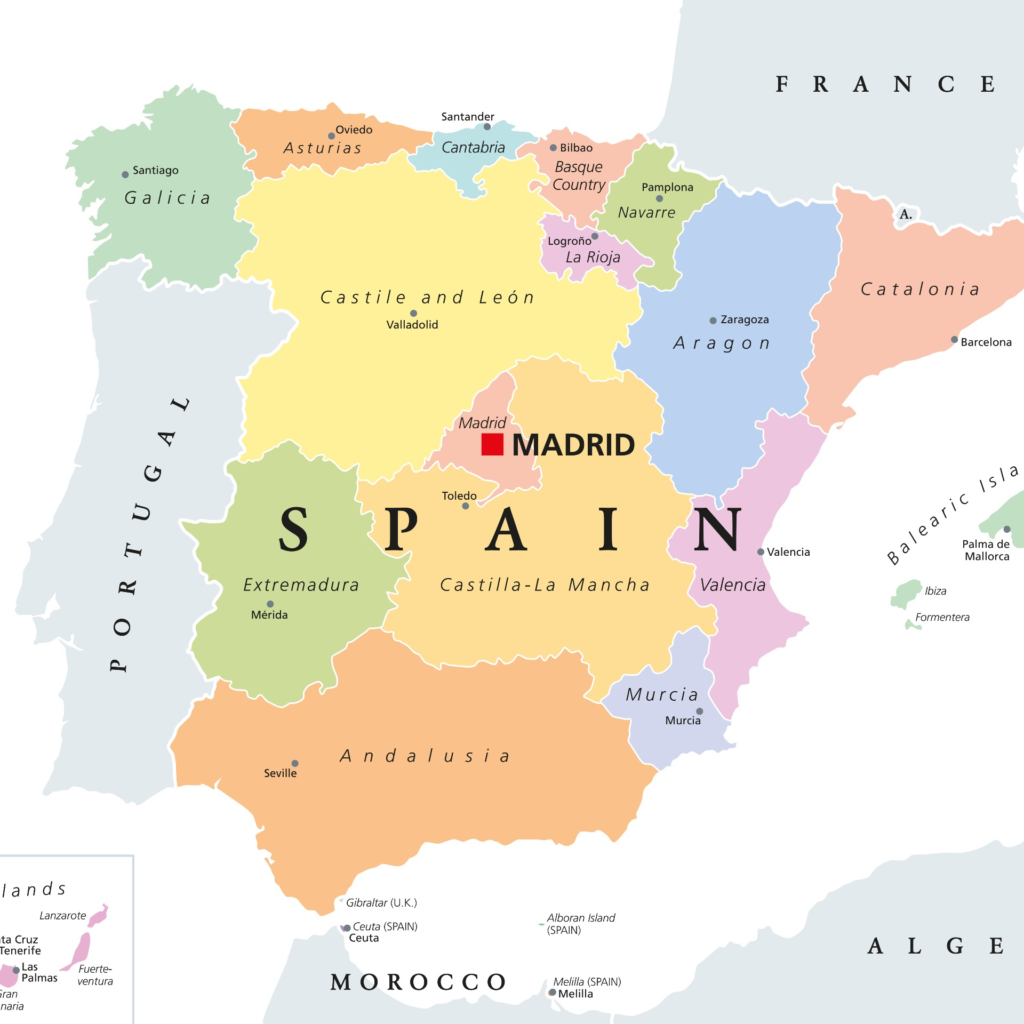







When I first started exploring Spain, I knew I wanted beaches, obviously. What I didn’t realize was just how many different versions of “the Spanish coast” there are. Spain has nearly 5,000 miles of coastline, stretching from the Mediterranean to the Atlantic and all the way up to the dramatic northern shores of the Cantabrian Sea, and each stretch feels completely different.
Some coasts are all about turquoise water, beach clubs and long summer days. Others are wild, green and moody, with cliffs, tiny fishing villages and weather that occasionally reminds you that you are, in fact, in northern Spain. After spending time along Spain’s eastern coast, I quickly learned that saying you’re going to “the beach in Spain” doesn’t really narrow things down. It’s a little like saying you’re going to dinner in New York City. Okay… but where?
So, if you’re planning a Spanish beach escape, here’s your little guide to the different costas of Spain and what makes each one special.
The Mediterranean Coast
Let’s start with the Mediterranean because, let’s be honest, this is probably what most people picture when they think of a Spanish beach vacation. Think warm water, sunny skies, palm trees, colorful beach towns, and long lunches that somehow turn into dinner. But even along the Mediterranean, every coast has its own personality.
Costa Brava
Where: Catalonia, from around Blanes toward the French border.
Costa Brava is the dramatic one. Located in northeastern Spain, Costa Brava is famous for its rugged coastline, rocky coves, turquoise water, and charming little towns tucked between the sea and the hills. This is where you go when you want your beach vacation to have a little scenery with it.
Places like Cadaqués, Tossa de Mar, and Begur have that effortlessly beautiful Mediterranean look that makes you want to quit your job, buy a linen shirt, and open a tiny restaurant. The coastline is also known for its calas, or small coves, many of which are surrounded by cliffs and pine trees.
The vibe: Romantic, scenic, and charming
Go here if: You love beautiful coastal towns, hiking, swimming in little coves, and taking approximately 47 photos of the same view.
Costa Dorada
Where: Southern Catalonia, around Tarragona
Costa Dorada means “Golden Coast,” and the name is pretty fitting. The beaches here tend to be long, sandy, and golden, making this area especially popular with families and travelers looking for a classic Mediterranean beach vacation.
You’ll also find plenty of history around Tarragona, along with resorts and seaside towns that make it easy to combine sightseeing with beach time. And if you’re traveling with children, PortAventura World is nearby, which is basically a guaranteed way to make you the favorite parent, aunt, uncle, or travel companion.
The vibe: Easygoing, sunny, and family-friendly.
Go here if: You want sandy beaches, resorts, and plenty to do beyond the beach.
Costa del Azahar
Where: Castellón and parts of the Valencia region
The Costa del Azahar translates roughly to “Coast of Orange Blossoms,” which is possibly one of the prettiest names for a coastline ever. This stretch of Mediterranean coast sits north of Valencia and is known for sandy beaches, citrus groves, and smaller seaside towns.
It’s generally less internationally famous than Costa Brava or Costa del Sol, which can be a very good thing if you’re looking for somewhere a little quieter. And because Valencia is nearby, you can have the best of both worlds: city life, paella and museums one day, beach and sunshine the next.
The vibe: Relaxed, local and underrated.
Go here if: You want Mediterranean beaches without feeling like you’re in the middle of the biggest tourist scene in Spain.
Costa de Valencia
Where: Valencia
This is the coast you’ll find around the city of Valencia and its surrounding beaches. And honestly, I think Valencia deserves more credit as a beach city. You can spend the morning wandering through the historic center, eat paella for lunch, rent a bike and cycle through the Turia Gardens, and then end your day barefoot on the beach- not a bad Tuesday. The beaches around Valencia tend to be broad and sandy, with plenty of space to spread out.
The vibe: City meets beach.
Go here if: You want culture, food, nightlife, and the Mediterranean without having to choose between a city vacation and a beach vacation.
Costa Blanca
Where: Alicante province, Valencia region
Costa Blanca, this is the coast I know particularly well, and it holds a special place in my heart. The “White Coast” stretches along the province of Alicante and is home to places like Alicante, Jávea, Altea, Calpe, Dénia and Benidorm. And despite what you may have heard about Benidorm, there is so much more to Costa Blanca than high-rise hotels.
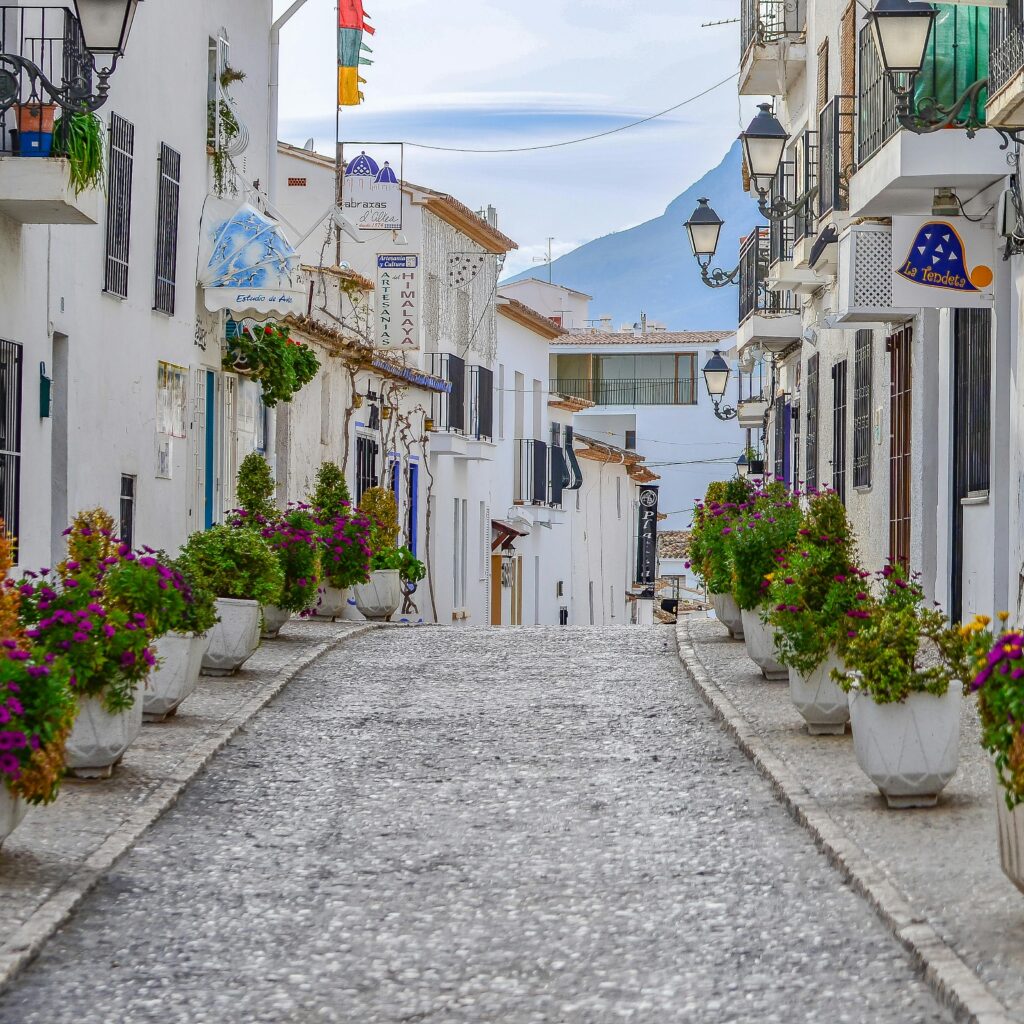
You have the whitewashed streets of Altea, the dramatic Peñón de Ifach in Calpe, the coves of Jávea and the long sandy beaches around Alicante. One of my favorite things about this area is how dramatically the scenery can change from one town to the next. You can go from a lively resort town to a tiny cove surrounded by cliffs surprisingly quickly.
The vibe: Sunny, diverse, and very livable.
Go here if: You want beautiful beaches, lots of sunshine, charming towns, and a little bit of everything.
And yes, I may be biased. I’m allowed!
Costa Cálida
Where: Region of Murcia
Costa Cálida literally means “Warm Coast.” Located in the Region of Murcia, this coastline is known for warm Mediterranean waters, sandy beaches, and the Mar Menor, Europe’s largest saltwater lagoon. The area is particularly appealing if you want a more relaxed coastal experience without some of the international spotlight that surrounds other Spanish destinations.
The vibe: Warm, relaxed, and low-key.
Go here if: You’re looking for sunshine, warm water, and a slower pace.
Costa de Almería
Where: Almería, Andalusia
Costa de Almería is where Spain’s Mediterranean coast starts to feel a little wild. The landscape is noticeably more arid, with rugged mountains, desert-like scenery, cliffs, and beautiful beaches.
The Cabo de Gata-Níjar Natural Park is the star of the show here, with volcanic landscapes, secluded beaches, and crystal-clear water. This is not necessarily the coast I’d pick if your dream is to spend every afternoon at a giant beach resort. This is the coast for exploring.
The vibe: Wild, rugged, and adventurous.
Go here if: You’d rather discover a hidden beach than sit beside a hotel pool.
Costa Tropical
Where: Granada province, Andalusia
Yes, Spain has a Costa Tropical. Located along Granada’s Mediterranean coastline, Costa Tropical has a subtropical climate that allows unusual fruits such as avocados, mangoes and cherimoyas to grow. The area is known for towns such as Almuñécar and Salobreña, as well as its beaches, cliffs and mountains.
One of the best things about Costa Tropical is that you can combine a beach trip with Granada and the Alhambra relatively easily. Beach in the morning. Moorish palace in the afternoon.
The vibe: Tropical-ish, relaxed, and a little unexpected.
Go here if: You want beaches with mountains, fruit farms, and Andalusian charm.
Costa del Sol
Where: Málaga province, Andalusia
Costa del Sol is probably one of the most famous Spanish coasts in the world. Stretching along the Málaga coastline, it includes places like Málaga, Marbella, Nerja, Torremolinos and Estepona. Yes, it has resorts, nightlife, and yes, it can get busy.
But there’s another side to Costa del Sol that is easy to miss if you only think of it as a package-holiday destination. Málaga itself is a fantastic city, and towns like Nerja and Frigiliana offer a completely different experience.
The vibe: Glamorous, lively, and endlessly sunny.
Go here if: You want nightlife, restaurants, resorts, golf, beach clubs, and plenty of things happening.
Costa de la Luz
Where: Cádiz and Huelva, Andalusia
Now we’re heading west. Costa de la Luz means “Coast of Light,” and it stretches along the Atlantic coast of southern Spain, and the light here really is something. The beaches are long, wide and often much less built-up than the Mediterranean resort areas. Places like Cádiz, Conil de la Frontera, Zahara de los Atunes and Tarifa are especially popular.
This is also a major destination for surfing, kitesurfing and windsurfing. The Atlantic gives the coastline a different feel. The water can be cooler, the waves are bigger, and the beaches feel wonderfully open.
The vibe: Laid-back, beachy, and bohemian.
Go here if: You want big beaches, sunsets, seafood, and a little less “resort vacation.”
The Northern Coast of Spain
Here’s where Spain’s coastline completely changes personality. If the Mediterranean is Spain in a sundress, the northern coast is Spain in a cozy sweater. It’s greener, wetter, wilder, dramatic, and absolutely gorgeous.
Costa Verde
Where: Asturias
Costa Verde means “Green Coast,” and Asturias takes the name seriously. The northern coastline is backed by lush green mountains and dotted with cliffs, beaches, and fishing villages.
This is not the Spain of endless sunshine and palm trees. It’s moodier and more rugged, and honestly, that’s part of the charm. You can find beautiful sandy beaches surrounded by green hills, eat incredible seafood, and then hike through some seriously gorgeous countryside.
The vibe: Wild, green, and peaceful.
Go here if: You love nature, hiking, small towns, and beaches that don’t look like every other Mediterranean postcard.
Costa de Cantabria
Where: Cantabria
Cantabria sits between Asturias and the Basque Country and has a gorgeous mix of beaches, cliffs, mountains, and charming coastal towns. Santander is the region’s biggest city and has several beautiful beaches right within the city.
Outside Santander, you’ll find smaller towns and quieter stretches of coastline. The weather can be unpredictable, but that’s part of the northern Spain experience. You may get sunshine, clouds, rain, and sunshine again before you’ve finished your coffee. Pack accordingly.
The vibe: Elegant, green, and peaceful.
Go here if: You want beautiful beaches without the heat and crowds of southern Spain.
Costa Vasca
Where: Basque Country
The Basque coast is dramatic. Think steep green cliffs, rocky shorelines, tiny fishing villages, and powerful Atlantic waves. San Sebastián is probably the most famous destination, with its beautiful La Concha Bay, but the surrounding coastline deserves just as much attention.
This is also a fantastic region for food. And by fantastic, I mean you may start planning your next meal before you’ve finished the current one. The combination of beaches, mountains, architecture, and food makes the Basque coast feel completely different from southern Spain.
The vibe: Sophisticated, rugged, and food-obsessed.
Go here if: You want beautiful scenery and some of the best food in Spain.
The Atlantic Coast of Galicia
And then there’s Galicia. Located in the northwest corner of the country, Galicia has a rugged Atlantic coastline, dramatic cliffs, green countryside, fishing villages, and some spectacular beaches.
The Rías Baixas, in particular, are famous for their beautiful estuaries and seafood. And then there are the Islas Cíes, where you’ll find some of the most beautiful beaches in the country. The water can be cold- I mean, really cold. But the scenery makes you temporarily forget that your feet have gone numb.
Galicia is also famous for the Camino de Santiago, so you can easily combine coastal adventures with one of Spain’s most famous pilgrimage routes.
The vibe: Wild, mysterious, green, and wonderfully unpolished.
Go here if: You want dramatic scenery, seafood, hiking, and a side of Spain that feels completely different from the Mediterranean.
And Then There Are Spain’s Islands…
Because apparently mainland Spain wasn’t enough. Spain also has two major island groups: the Balearic Islands in the Mediterranean and the Canary Islands in the Atlantic. The Balearics include Mallorca, Menorca, Ibiza and Formentera.
Mallorca has mountains, beaches and charming villages. Menorca is quieter and known for its gorgeous coves. Ibiza is famous for nightlife but has a much calmer side, too. And Formentera is basically what happens when someone decides to put Caribbean-looking water in the Mediterranean.
Then there’s the Canary Islands, off the coast of Africa. Tenerife, Gran Canaria, Lanzarote, Fuerteventura, and the other islands offer volcanic landscapes, black-sand beaches, dramatic cliffs, and year-round mild weather. So yes, technically Spain can give you a beach vacation in multiple climates and landscapes without ever leaving the country.
So, Which Spanish Coast Is Right for You?
The fun part is that there isn’t really one “best” coast in Spain. It depends entirely on what you’re looking for. And honestly, that’s what I love most about traveling around Spain. You can visit the coast expecting one thing and discover an entirely different version of the country, because Spain isn’t just sunny beaches and sangria. It’s Mediterranean coves, Atlantic waves, green cliffs, fishing villages, orange groves, volcanic landscapes, and little seaside towns where lunch somehow lasts three hours. There is a Spanish coast for just about every kind of traveler. You just have to figure out which one is yours.
Love always,
American Girl Meets World