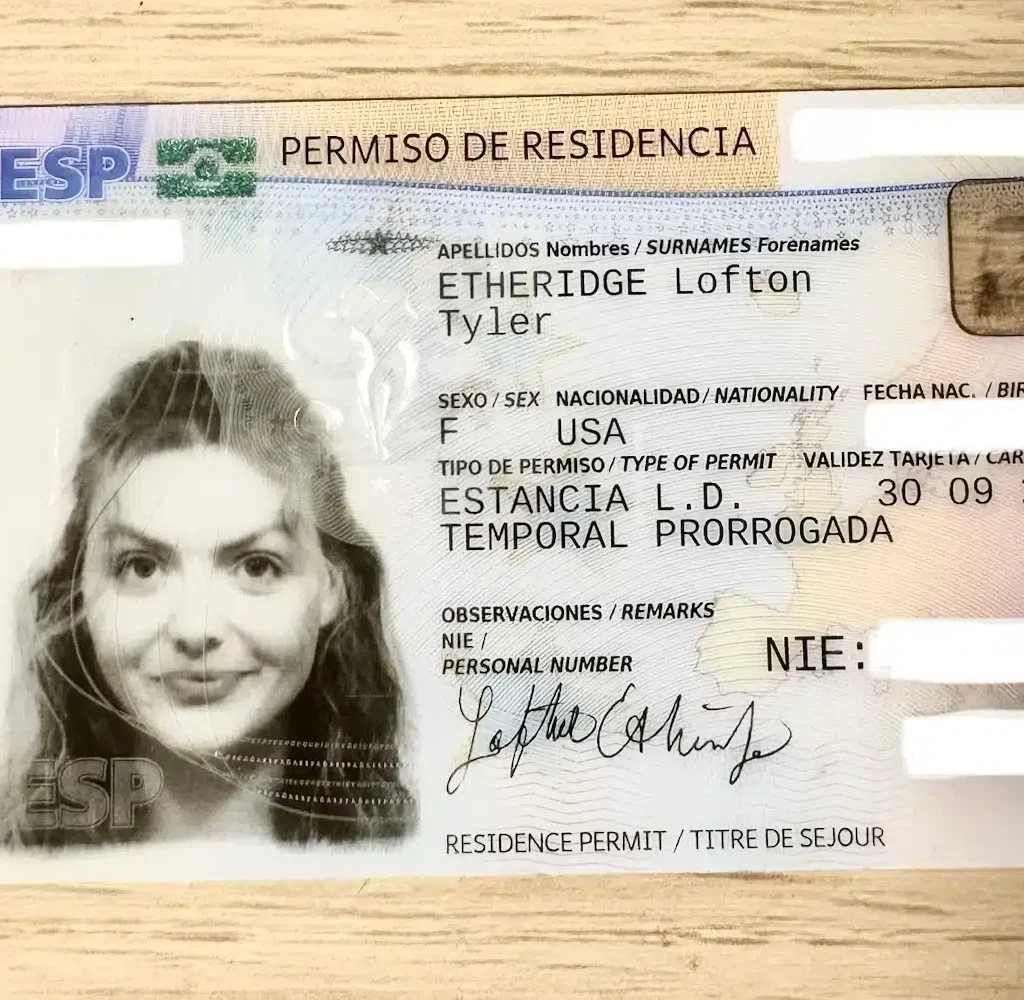

When I first moved to Spain, I assumed healthcare would sort itself out. I had my NIE, I had my padrón, and everyone kept telling me, “You just go to the centro de salud.” What nobody told me was that there’s a document sitting between you and that tarjeta sanitaria: a piece of paper (well, a PDF) that says, officially, yes, this person is entitled to public healthcare in Spain. Without it, you can stand at the reception desk of your local health centre with a folder full of papers and still be sent home.
That document is the Certificado del Derecho a la Asistencia Sanitaria Pública, the Certificate of Entitlement to Public Healthcare. The good news is you can request it entirely online, in about fifteen minutes, without an appointment or a gestor. The slightly less good news is that the Social Security website is a little old-fashioned, and one wrong field will send you in circles. So here’s the whole thing, start to finish.
First, are you eligible?
Spain’s public healthcare is funded through Social Security, so entitlement is tied to your relationship with the system. You’re generally covered if you fall into one of these groups:
- You work in Spain — as an employee (régimen general) or self-employed (autónomo). You’re the titular (the insured person), and your contributions fund your coverage.
- You’re a pensioner or receive certain benefits from the Spanish system, or from a country with which Spain has a relevant agreement.
- You’re a family member of an insured person — a spouse, registered partner, or dependent child, covered as a beneficiario through that person.
- You’re a student covered under the Spanish system, or under an EHIC/GHIC arrangement from your home country.
- You hold residency under the EU citizen regime and meet the conditions — for example, being registered on the padrón and either working, self-sufficient with private cover, or a family member of someone who is.
- You’re a non-EU resident with authorisation to reside and either working, or covered through a family member, or in some cases through the convenio especial (a paid agreement that lets you buy into the public system).
Rules differ depending on whether you’re an EU citizen, a non-EU national, a UK national post-Brexit, or someone with a temporary vs. long-term residency status. Regional health services (comunidades autónomas) also apply their own administrative quirks. And if you’re here as a tourist or on a short stay, this certificate isn’t for you; that’s what travel insurance and the EHIC/GHIC are for.
If you’re unsure which category you’re in, the certificate itself is a good test: the system will tell you whether it recognises you as asegurado. If it doesn’t, that’s your signal to talk to your local Social Security office (Tesorería General de la Seguridad Social) or your centro de salud about which route applies to you.
What you’ll need before you start
- Your NIE (or other identification document)
- Your Número de afiliación — your Social Security number, if you have one
- Your date of birth
- An email address
- About ten minutes of patience, plus a short wait in the middle
Step 1: Open the website
Go to: https://w6.seg-social.es/das/Inicio?ConsultarDerecho=Consultar+derecho+asistencia+sanitaria or the website.
This takes you straight to the consultation page for healthcare entitlement.
Step 2: Enter your personal information
Fill in the Datos del asegurado (Insured Person) section:
- Nombre: your first name
- Primer Apellido: your first surname
- Tipo de identificación: type of ID — NIE, DNI, passport, etc.
- Número de documento: your document number
- Número de afiliación S.S.: your Social Security number (if applicable)
- Fecha de nacimiento: date of birth
- Correo electrónico: email address
Important: leave the entire Datos del beneficiario (Beneficiary Information) section blank. That section is for when you’re querying on behalf of a dependent — not for you. Enter nothing there. Next, click Consultar.
Step 3: Answer the security question
The next page asks a simple security question. Answer it and click Continuar.
Step 4: Save your reference number
You’ll now get a reference number; usually a string of zeros followed by more digits, something like: 0000000000696665. Copy it so you can paste it later. Copy all the leading zeros; they matter, then click Aceptar. You’ll land on a page with the option Ver resultado consulta (View Query Results). Don’t rush to click it; the result isn’t generated instantly.
Step 5: Retrieve your certificate
Wait about ten minutes, then open: https://w6.seg-social.es/das/Inicio?VerResultado=Ver+resultado+consulta or view query results.
Enter:
- Número de referencia: the reference number from Step 4
- Tipo de identificación: select NIE
- Número de identificación: your NIE number
Make sure there are no stray spaces before or after the reference number; a single trailing space is enough to make it fail, then hit continue. If you see “Aún no existe una respuesta para su consulta” that just means the certificate isn’t ready yet. Nothing is wrong. Give it a little longer and try again.
When it’s ready, you’ll see a confirmation along the lines of: “[Your name] es asegurado por la asistencia sanitaria pública.” That’s the sentence you’re looking for. It confirms the system recognises you as entitled to public healthcare in Spain.

Step 6: Download your certificate
Click Imprimir (Print). Your certificate should open or download automatically as a PDF. Save it to your phone and your computer, and print a physical copy, because Spanish bureaucracy still likes paper. If you hit an error at this stage, go back to the Step 5 link and re-enter your reference number and ID details from scratch. Nine times out of ten, that clears it.
Step 7: Take your documents to your local health centre
Now the in-person part. Bring to your Centro de Salud:
- Your Certificate of Entitlement to Public Healthcare
- Your Certificado de Empadronamiento (from your local ayuntamiento)
- Your NIE or passport
They’ll use these to process your Tarjeta Sanitaria, the physical card that actually gets you seen by a doctor, into a pharmacy discount, and into the system properly. The card usually arrives by post in around 30 days, though processing and delivery times vary by region and by how busy your centre is.
The certificate is one of those small bureaucratic wins that makes everything after it easier: the doctor’s appointment, the pharmacy, the specialist referral, the peace of mind of knowing you’re covered. It’s also a reminder that “having residency” and “having healthcare” aren’t quite the same thing in Spain; they’re connected, but the connection has paperwork. Do it once, save the PDF somewhere you’ll find it again, and keep a printed copy in the folder with your padrón and NIE.
Love always,
American Girl Meets World