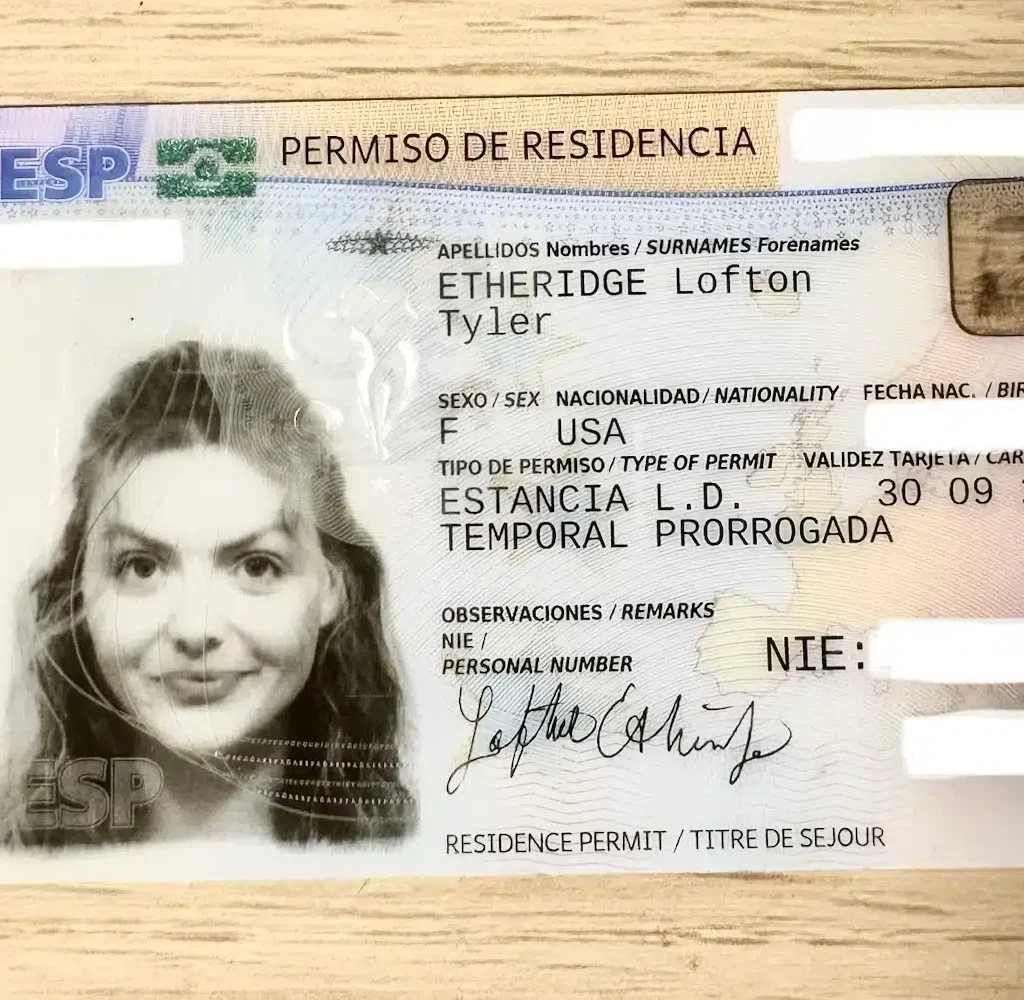

Nobody warns you about the NUSS! You get your NIE, you feel accomplished, you think the paperwork is behind you, and then a job offer, a doctor’s appointment, or a contract at the gym asks for a number you’ve never heard of.
The NUSS, Número de Afiliación a la Seguridad Social, sometimes written as NAf, is your personal Social Security number in Spain. It’s yours for life; it never changes, and it follows you through every job, every contribution, every benefit, and every public health centre you’ll ever walk into. If your NIE is your identity in Spain, the NUSS is your relationship with the system that pays for your pension and your healthcare. Here’s how to get it, and who actually needs one.
First, do you need a NUSS?
Short answer: if you’re going to work in Spain, yes. Longer answer:
- You’re starting a job. Your employer will ask for it before they can register you (dar de alta) with Social Security. No NUSS, no contract on the books.
- You’re going self-employed (autónomo). You need it to register as self-employed and to pay your monthly contributions.
- You want public healthcare as a worker. The certificate of entitlement to public healthcare is built on your Social Security record — and that record starts with a NUSS.
- You’re already working but never got one. This happens more than you’d think, especially with informal arrangements. Your employer should have sorted it, but you can request it yourself.
- You’re a student or intern doing a placement that requires Social Security registration.
- You’re applying for residency or certain benefits where proof of Social Security status is requested.
What you don’t need it for: being a tourist, or simply being registered on the padrón. The padrón is a municipal thing; the NUSS is a Social Security thing. Different worlds, different queues.
What you’ll need before you start
- Your NIE (or DNI if you’re Spanish) — you generally need to be legally resident and have your identity number first
- Your passport
- Your Certificado de Empadronamiento (proof of address from your ayuntamiento)
- An email address and a Spanish phone number, if you have one
- If you’re employed: your employment contract or the company’s details
- If you’re self-employed: your modelo 036/037 registration with the tax office
If you’re applying on behalf of a child or dependent, bring their documentation plus proof of your relationship.
How to get your NUSS
There are three routes, and which one you take depends on how much patience you have for websites.
Option 1: Online, with a digital certificate or Cl@ve
This is the fastest route if you already have a digital certificate (from the FNMT or a regional authority) or a Cl@ve account.
- Go to the Social Security portal or https://portal.seg-social.gob.es
- Choose Ciudadanos → Afiliación y cotización
- Look for “Solicitud de número de afiliación” (or “Asignación de NAF”)
- Identify yourself with your digital certificate or Cl@ve
- Complete the form with your personal details and upload the required documents
- Submit and note the justificante (receipt) you receive
You’ll get confirmation, and the number is usually assigned within a few days. If you don’t have a digital certificate or Cl@ve yet, this route isn’t open to you, and getting Cl@ve is its own small project. Which brings us to Option 2.
Option 2: In person at a TGSS office
This is the route most people actually take, and honestly, it’s often the simplest.
- Book an appointment (cita previa) at your nearest Tesorería General de la Seguridad Social office; you can do this at https://sede.seg-social.gob.es under Cita previa.
- Bring your NIE, passport, padrón, and any employment or self-employment documents.
- At the appointment, tell them you need to request your número de afiliación.
- They’ll process it on the spot and give you a document confirming your NUSS, often the same day.
Bring photocopies of everything. Bring more than you think you need. This is Spain; the folder is the point.
Option 3: Through your employer
If you’re starting a job, your employer can request the NUSS on your behalf as part of registering you. They’ll need your NIE, passport, and personal details. It works well when it works, but don’t assume it’s happening. Ask for confirmation, and check that you actually receive the number. If weeks pass and you’ve heard nothing, request it yourself.
What the number looks like
A NUSS is 12 digits, usually written in two groups — for example, 28 / 12345678 / 90. The structure encodes your province of registration and a check digit, but you never need to calculate it; you just need to keep it. Write it down somewhere permanent. It appears on your vida laboral (work history report), your payslips, and your healthcare documents. You’ll be asked for it for the rest of your life in Spain.
After you have it
- Give it to your employer so they can register you properly. Check your first payslip to confirm you’re de alta.
- Download your vida laboral at https://portal.seg-social.gob.es — it’s the official record of every job and contribution you’ve had in Spain. It’s also the cleanest proof that your NUSS is real and active.
- Use it for your healthcare certificate. The certificate of entitlement to public healthcare asks for your número de afiliación; this is it. With the NUSS in hand, that process becomes straightforward.
- Keep the paperwork. The justificante, or the document from the TGSS office, is worth scanning and saving alongside your NIE and padrón.
The NUSS is one of those documents that feels like a formality until the moment you need it, and then it’s the thing standing between you and a contract, a doctor’s appointment, or a pension contribution you’ll be grateful for in thirty years. It’s also, quietly, the moment you stop being a visitor with a NIE and start being someone the Spanish system recognises as part of it. Get it early, get it before you need it, and keep a copy of everything, because the folder never really closes.
Love always,
American Girl Meets World